Talk to a Binalyzer
Get a free trial
Identifying the true cause of a cyber incident—often demanded by executives, CISOs, and boards—is notoriously difficult and resource-intensive. The complexity and scale of modern incidents can make root cause analysis feel out of reach, leaving security teams to settle for “likely” causes. But stopping at "likely cause" can leave critical vulnerabilities undiscovered, setting the stage for future incidents.

Turn signals into answers
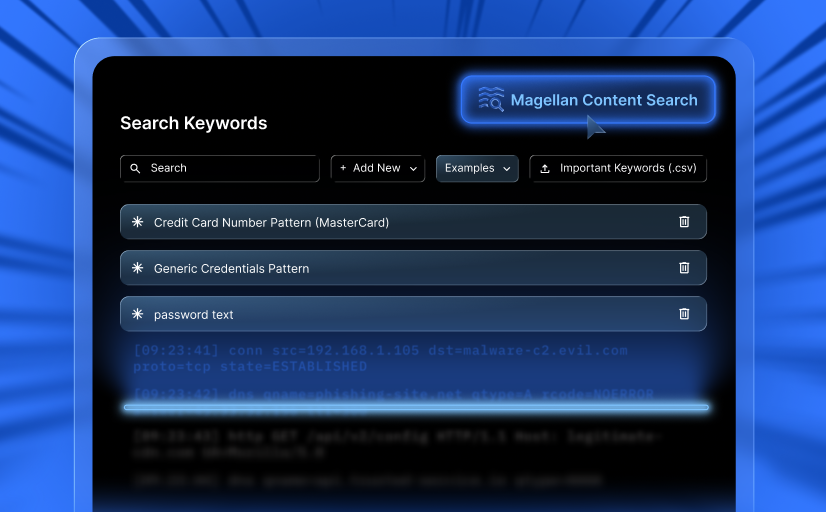
You shouldn't have to choose betweem speed and depth. AIR + Magellan: Forensic capability at SOC scale.
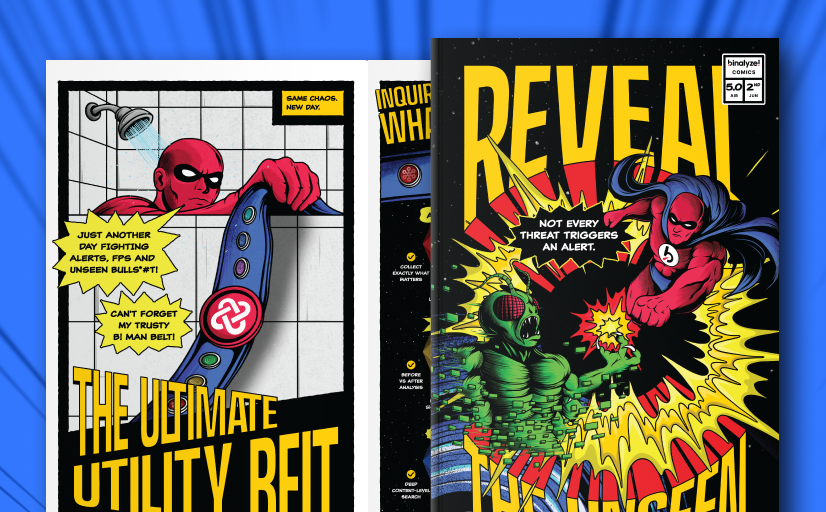
Your SOC sees signals. But hidden threats don’t reveal themselves. Download the Binalyze comic book and follow the fight against alert overload, false confidence, endless investigations, and the unseen threats hiding beneath the noise.

MSSPs are currently drowning in alerts, constrained by a global skills shortage, and slowed down by fragmented workflows. In the world of managed services, speed matters. But speed without clarity creates unnecessary risk for your clients and your reputation.

Security teams don’t need more alerts, they need answers. But when it comes to data risk, most teams are still guessing. What was actually inside that file? Should it have been there? Who accessed it, and why?
Join Lee Sult, Chief Investigator at Binalyze, as he shares key findings from the State of Cybersecurity Investigations 2026 report and what they reveal about today’s evolving threat landscape.

The latest Gartner Market Guide for DFIR Retainer Services explores how the DFIR market is evolving as demand grows and investigations become more complex — examining 40 representative vendors across consulting firms, MSSPs, MDR providers, and technology vendors.

Prevention and detection alone are no longer enough. As threats grow more sophisticated and environments become increasingly hybrid, security teams are overwhelmed with alerts but still struggle to get clear answers. This on-demand webinar explores the market shift toward Investigation and Response Automation and why modern SOCs need forensic-level visibility to move from alert triage to conclusive outcomes.